
Faroe Islands Itinerary: How to Spend 5 Days Exploring the Best of the Islands
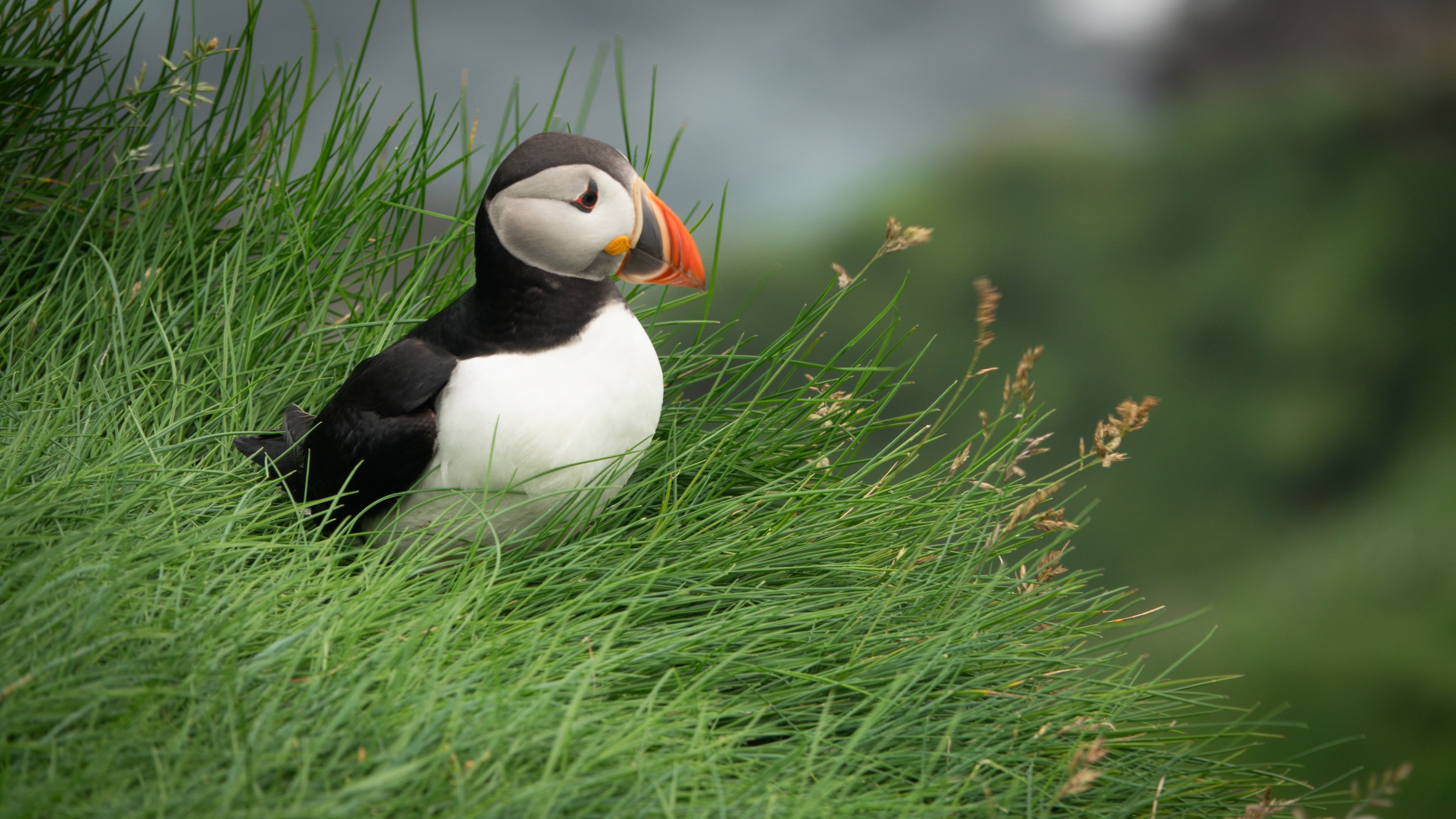
The Faroe Islands are a rare example of raw beauty, warm and inviting culture, and a sense of truly being off the beaten tourist path. Even when we visited in the “high season” (the summer months), we found ourselves all alone in many spots, no other tourists around. Even the most “crowded” places had less than a couple dozen people milling about. I sought out the Faroe Islands because I wanted to see puffins for the first time, but I can’t wait to return because the unexpected mystical aura these islands hold. If you’re visiting the Faroe Islands for the first time, this guide will allow you to see the biggest highlights, but be warned – you just might become obsessed with this place like I have!
This post may contain affiliate links, which means I’ll receive a commission if you purchase through my link, at no extra cost to you.
What/Where are the Faroe Islands?
The Faroe Islands are an archipelago of 18 islands almost equidistant between Iceland, Scotland, and Norway. They are part of the Kingdom of Denmark, but their primary language is Faroese (locals tend to speak Faroese, Danish, and English). Despite being part of Denmark, they are largely self-sufficient and self-governing and the largest portion of their economy is salmon fishing and exports.
Due to the location, the landscapes of the Faroe Islands share a lot of similarities to the countries surrounding it. It rains a lot in the Faroes, so the landscape is endlessly green. The rain also creates countless waterfalls – I’ve never seen so many in a single day!
When to Visit the Faroe Islands
The best time to visit the Faroe Islands is ASAP before it becomes too popular! But to answer seriously, you’ll want to go during high season between mid-April and mid-August so that you can see the puffins during your visit. These are also the warmest months on the islands (and you’ll still need a coat!). I visited in July 2025, which felt like the perfect time of year.
How to get to the Faroe Islands
By Plane
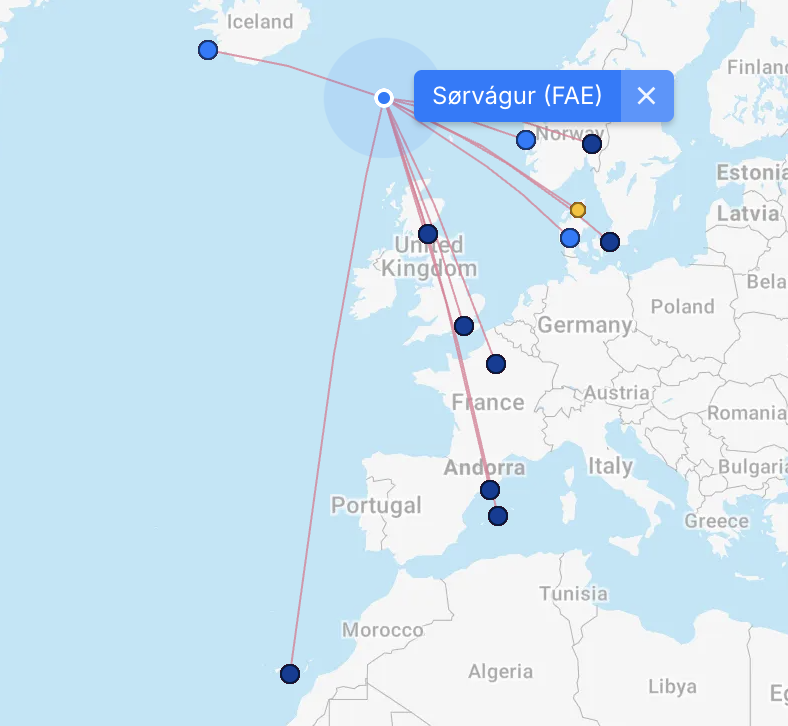
Flying is definitely the easiest way to get to the Faroe Islands. You can fly into the Vágar Airport (FAE) from the UK, Iceland, Spain, France, Norway, and Denmark, though availability will vary seasonally. The most consistent flights are from Copenhagen, with a few flights operating to the Faroes each day. We flew through Copenhagen on Atlantic Airways for our visit!
By Boat
There are 2 ways to get to the Faroe Islands by boat: ferries or cruise ships. You can take overnight ferries to/from Scotland and Iceland, though you’d probably pick this more for the experience because they’re not typically cheaper than flying and take much longer. There are also some cruise lines that stop in Tórshavn, but I recommend a dedicated trip to the Faroe Islands to really appreciate the country. A quick stop simply isn’t enough time.
Where to stay in the Faroe Islands
Hotels in Tórshavn
Here are a few great option for where to stay in the capital of Tórshavn, which is centrally located and had lots of great restaurants.
Hilton Garden Inn Faroe Islands – this is where we stayed. It can be booked with Hilton points, had a great buffet breakfast, a nightly happy hour, and free onsite parking, but it was a bit of a walk to the city center.
Hotel Brandan – highly rated, free onsite parking and restaurant, but also a bit of a walk from town
Hotel Hafnia – highly rated, centrally located right in town
Puffin Airbnb
For a truly unique experience, you can stay in this Airbnb in the tiny village of Trøllanes on the island of Kalsoy. The house is perched right above a puffin colony, so you can watch the adorable birds fly off the cliffs, dive to catch food, and return to feed their chicks! The Airbnb is definitely pricey, but there’s nothing like it.
Staying on Mykines
Similarly, if you can’t get enough puffins, you can extend your time on Mykines Island by staying overnight. It offers a quiet experience once all the day visitors leave, but there are very few accomodation options. Check here to see your choices and be sure to book far in advance.
Driving in the Faroe Islands
Renting a car and driving is definitely the easiest way to get around the Faroe Islands. You can get from the capital, Tórshavn, to anywhere else in the Faroes accessible by car in about an hour or less. Note: you’ll still need to take ferries to visit several of the islands.
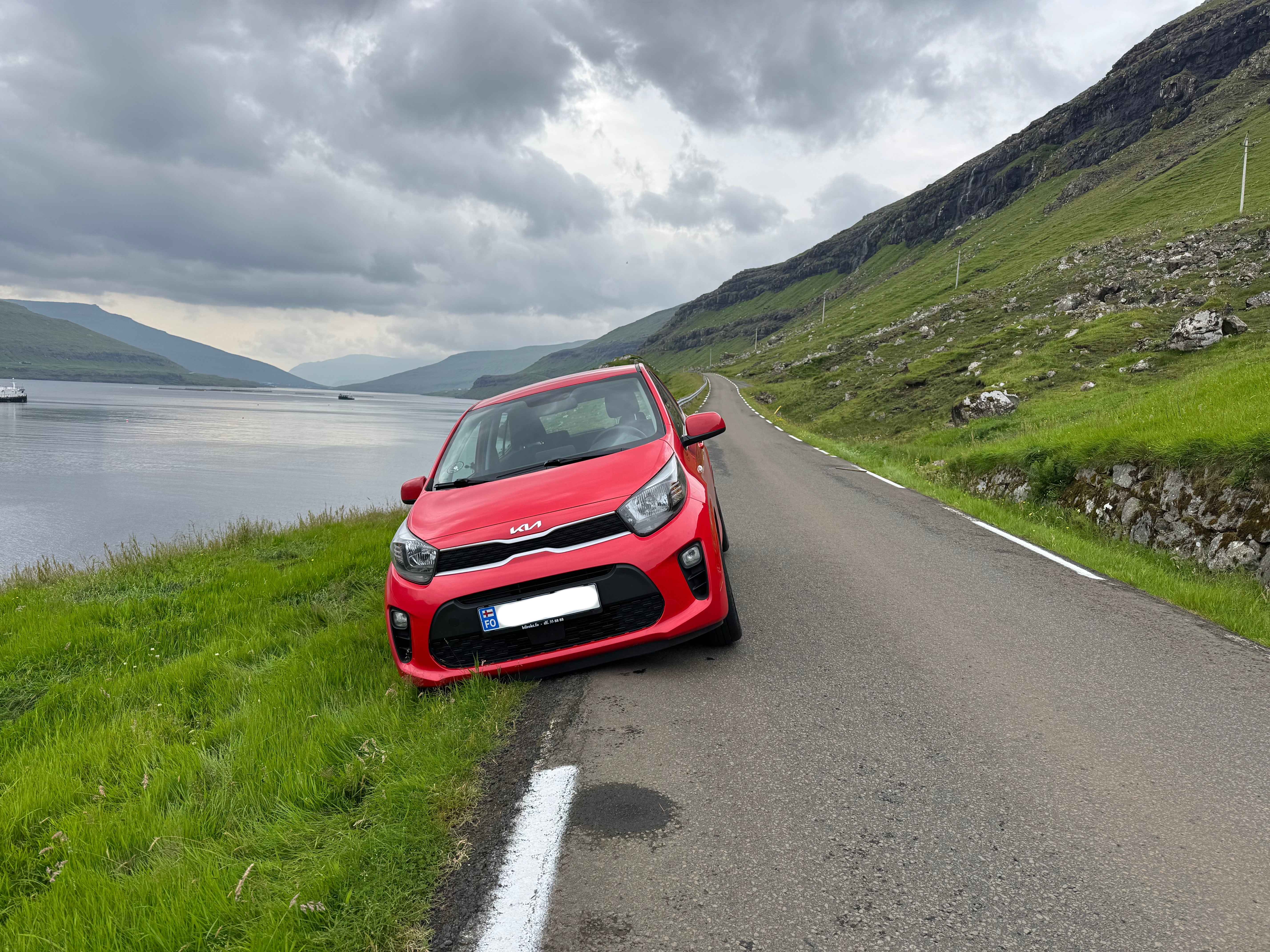
Most of the roads are fantastic, well maintained 2 lane roads, but there are some single track roads where you may have to use pull offs to pass. DO NOT try to pass without a pull off (that’s how we ended up with our car stuck on the side of the road!).
They drive on the right in the Faroe Islands and while the roads are free, the sea tunnels are not. These cost money, though your rental car company may build these into the cost or just bill you at the end.
Day 1
After you land in the Faroe Islands, pick up your rental car and drive to the capital, Tórshavn. Then drive (or walk) into town for your first tour.
Walking Tour of Tórshavn
Tórshavn is a small town with a lot to see in walking distance, so this tour is a perfect introduction to the history of the city and the Faroe Islands. In 2 hours you’ll get a good overview of how the Faroe Islands came to be what it is today and how it runs semi-autonomously within the Kingdom of Denmark.
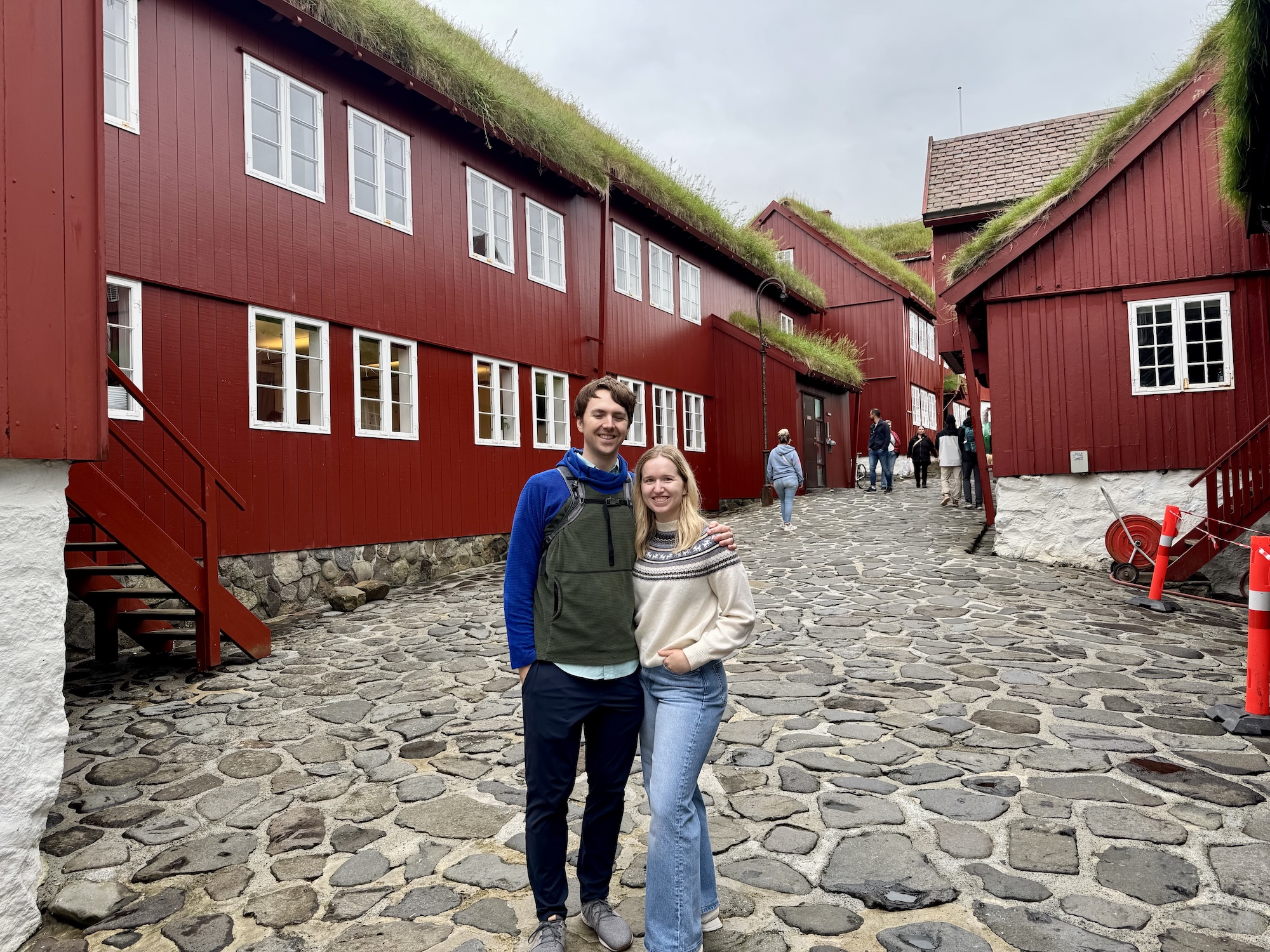
We signed up for this group tour but were the only people to show up, so it ended up being a private tour!
Dinner with Locals
The Faroese people have a word specifically for dining with locals: Heimablídni. Locals around the islands open their doors to host guests and share their culture over a traditional home cooked meal. We joined 8 other guests for dinner with Anna and Óli in their home by the water, only a 15 minute drive from Tórshavn. The 4 course meal was incredible and we got to swap stories with other guests from around the world, which left us feeling more connected to one another and the Faroese people.
Day 2
Mykines Island
The puffins were the main reason we came to the Faroe Islands, and Mykines Island is the best place in the archipelago to see them. This island is only accessible by ferry or helicopter – the former gets cancelled by high winds and the latter by low visibility quite often. Knowing this, I recommend planning your visit to Mykines early in your trip and book additional tickets on backup days in case the weather isn’t in your favor. I booked ferry and tour tickets 3 for 3 separate days and weather cancelled the ferry 2 our of 3 days! There’s also limited ferry and tour tickets, so you must prebook.
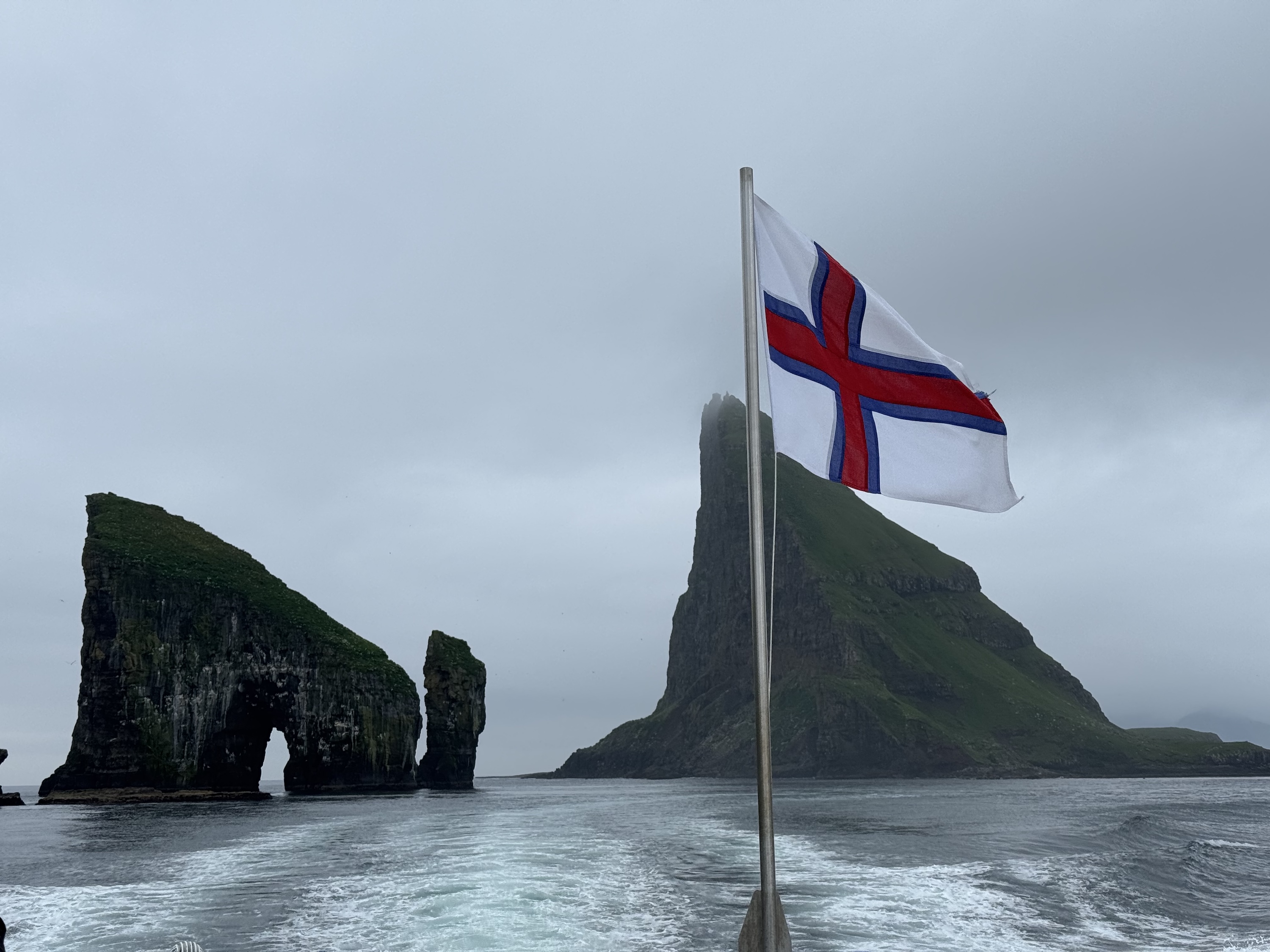
Also, the Mykines ferry will take you past the farmous Múlafossur waterfall and Drangarnir Sea Arch, so there’s no need to book a separate boat tour to see those.
Resources:
- Ferry booking, timetable, and operating status: https://www.ssl.fo/en/timetable/ferry/36-soervagur-mykines
- Tour booking: https://hiking.fo/products/305/mykines-mandatory-guide-and-hiking-fee
The puffins typically arrive in late April or early May and stay at Mykines through late August. However, the number of puffins you see can vary dramatically from day to day. Some days there may be just a few, but you may get lucky like we did and see hundreds of birds!
The tour includes a walk through the very small village and talk of what it’s like to grow up in such a remote place. Afterwards, you hike up a steep hill to get to the bird cliffs where you have lots of time to take in the puffins before continuing along the ridge line and eventually finishing back in town.
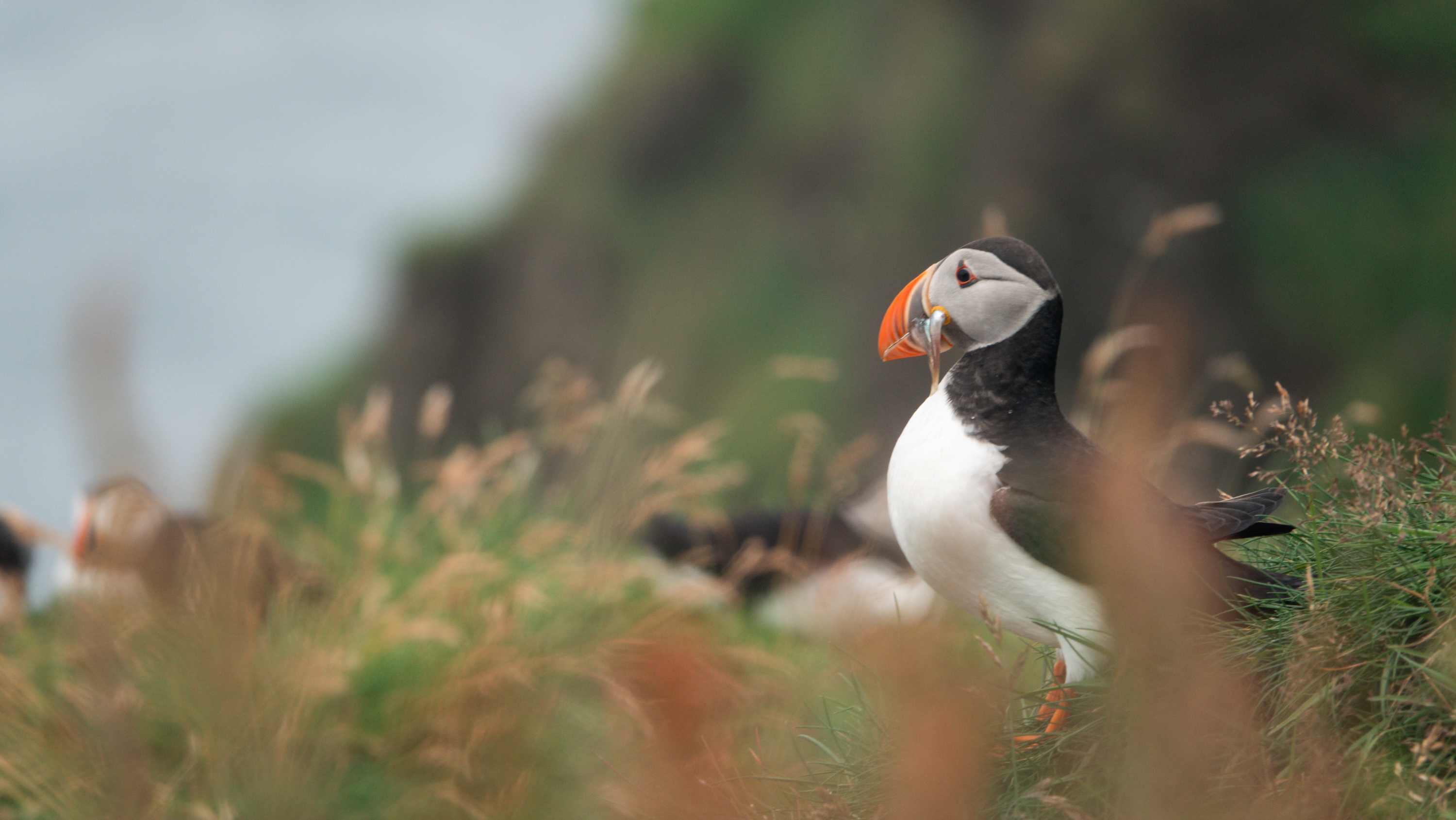
We took the 9:30 AM ferry from Sørvágur to Mykines and returned on the 2:15PM ferry back, which was perfect.
Dinner at ROKS
Finish the day back in Tórshavn with an incredible multi course seafood feast. ROKS is the sister restaurant of the Michelin starred KOKS restaurant (which is temporarily closed), but ROKS feels like it deserves a star in its own right. There are 2 tasting menus to choose from – we chose the shorter one and still left plenty full! Note: you’ll definitely need to make reservations in advance.
Day 3
Nólsoy Island
Start the morning with a ferry ride from Tórshavn to Nólsoy Island. No need to pre-book the ferry – you just pay as you board (click here for the ferry schedule). I recommend walking to the marina to avoid worrying about parking. There’s also a restroom on the ferry if you need one on the 20-minute journey.
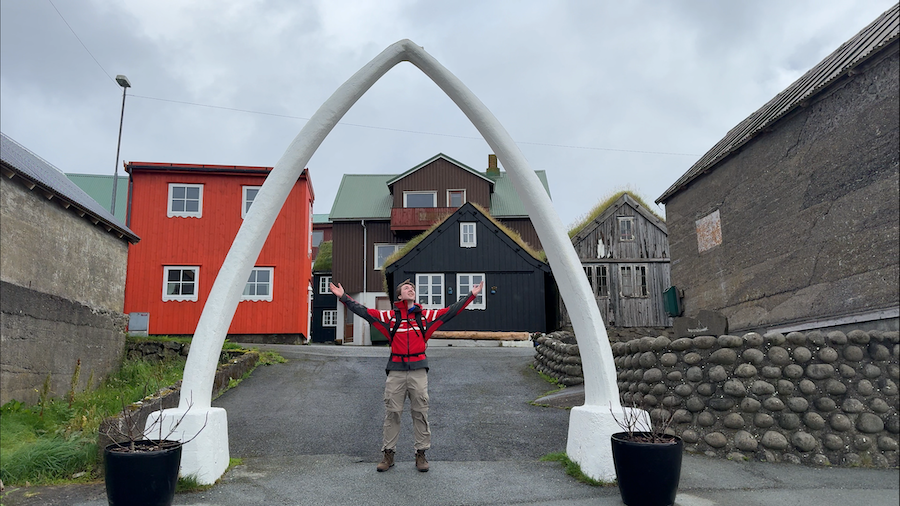
Nólsoy Island has one small town (with a public restroom!) and plenty of hiking options. We spent a couple hours wandering around, but if you want to dedicate the day to the island, I recommend taking on the 16km hike out to the lighthouse at the end of the island. If you’re lucky, you may also spot some puffins on the island, but we didn’t find any while we were there.
After taking the ferry back to Tórshavn, grab a quick lunch (I recommend Kafé Kaspar) and hop in the car to drive to northernmost part of the Faroe Islands.
Mount Villingadalsfjall
Spend the afternoon hiking up Mount Villingadalsfjall for some of the most incredible views over the the Faroe Islands. This mountain is located on private land outside the town of Viðareiði. There is limited parking at the base of the hike (Google maps pin), and we weren’t lucky enough to grab a spot, so we had to park down by the church and public toilets in town (Google maps pin) and walk up.
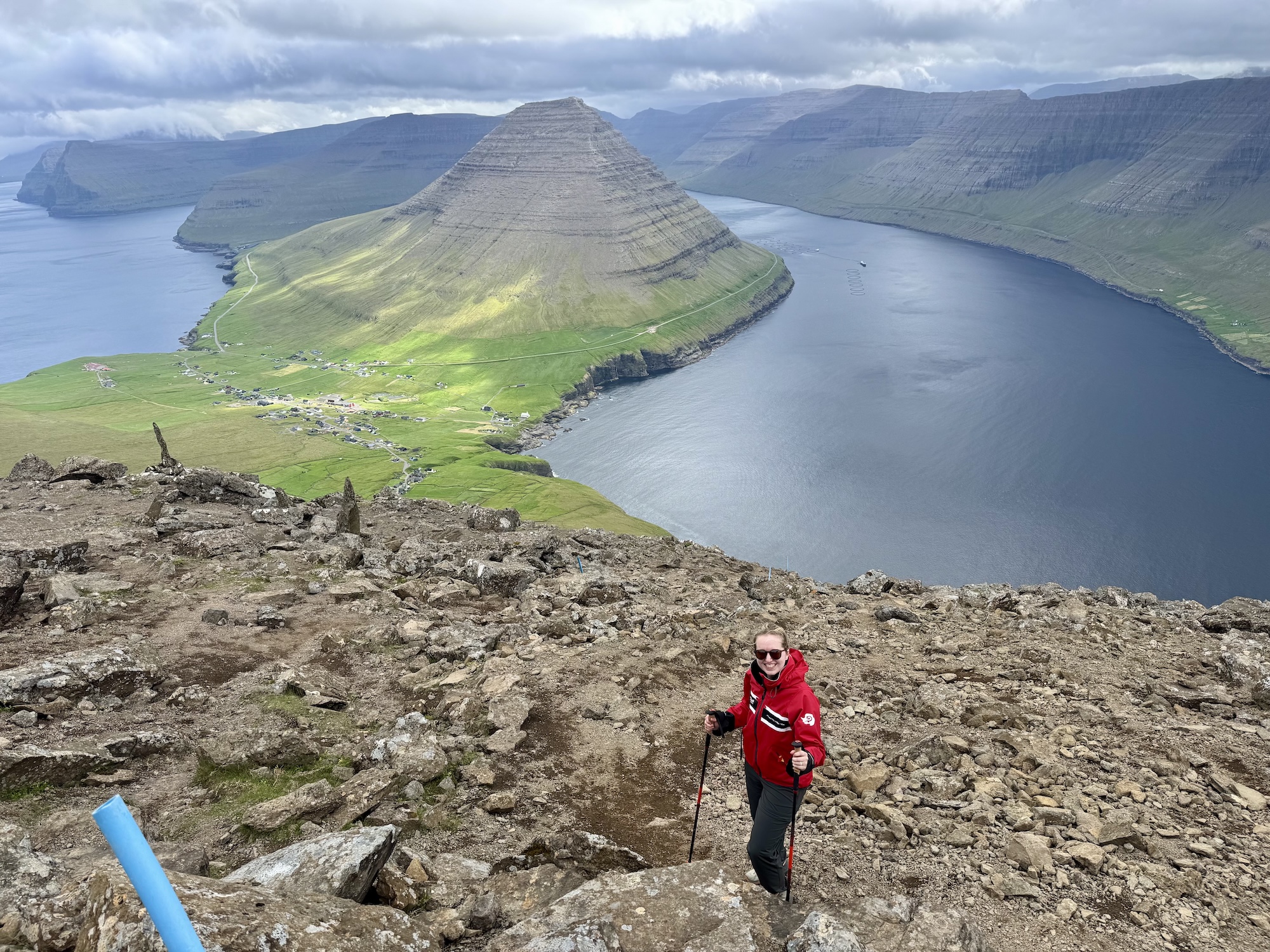
The hike is located on private land and there is a 200DKK entry fee with a cash box at the trailhead, so come prepared with correct change. The trail is well marked with blue poles at first and rock stacks later on. We were on a bit of a time crunch and only made it about 3/4 of the way up, but the views were still incredible nonetheless.
Saunadypp
After a hike, treat your tired muscles to some R&R with a Nordic classic: sauna and cold plunges! Saunadypp is the Faroe Islands’ first floating sauna. Pre-booking is required and you need to bring your own water and towels (I recommend these packable microfiber towels for travel). You also have the option to rent the entire sauna for a private session, but we joined a group session.
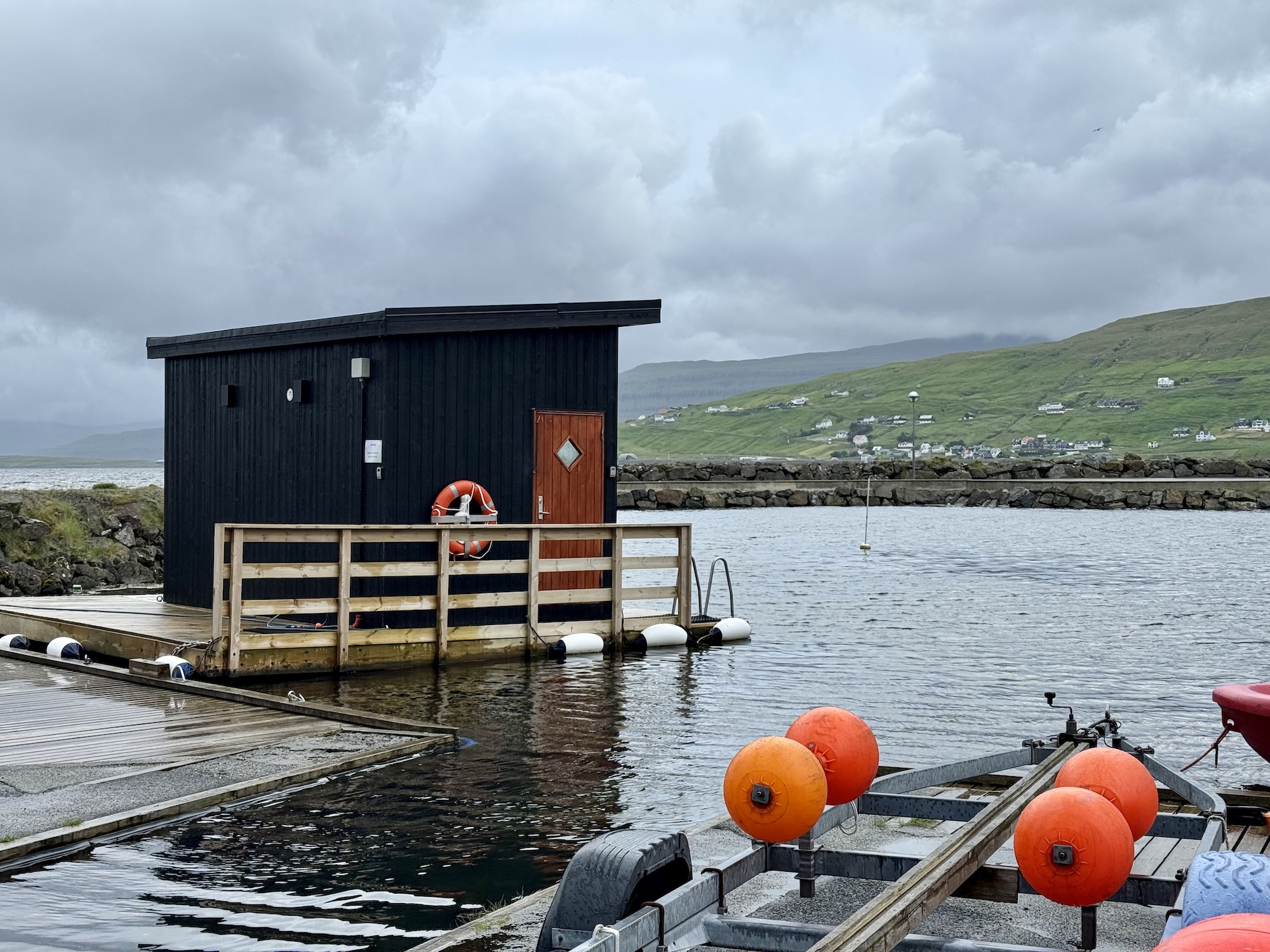
You can alternate between the sauna and dips in the harbor as many times as you like during your session. If I had to guess, the water temperature in July was probably around 50°F (10°C). Definitely cold but I was able to stay in and swim around for several minutes at time!
Dinner at Barbara Fish House
Finish the day with dinner at Barbara Fish House, a seafood restaurant located in one of the older buildings in the city. You can choose between a 4 or 7 course meal with standouts like the ceviche and blue mussels. We loved our meal here, but if I had to rank all my dinners in the Faroe Islands, this would actually come in last! It’s great but just didn’t hit the same level as all the rest.
Day 4
Start the morning with a drive to Klaksvík, where you’ll catch the 20-minute ferry to Kalsoy.
Sakkur Lighthouse Tour
Although you can make the trek to the famous Sakkur Lighthouse on your own, I highly recommend doing this guided tour. It includes ferry tickets and transportation between the Kalsoy ferry and the town of Trøllanes. Our tour was led by the farmer who owns the land and his stories made this tour priceless. We learned what it was like growing up in this tiny village, how he farms the land, and how it came to be that James Bond’s gravestone stands near the lighthouse! I’ve never even seen a Bond film but it was so cool to hear the behind the scenes of a blockbuster film shooting scenes on this tiny Faroese island.
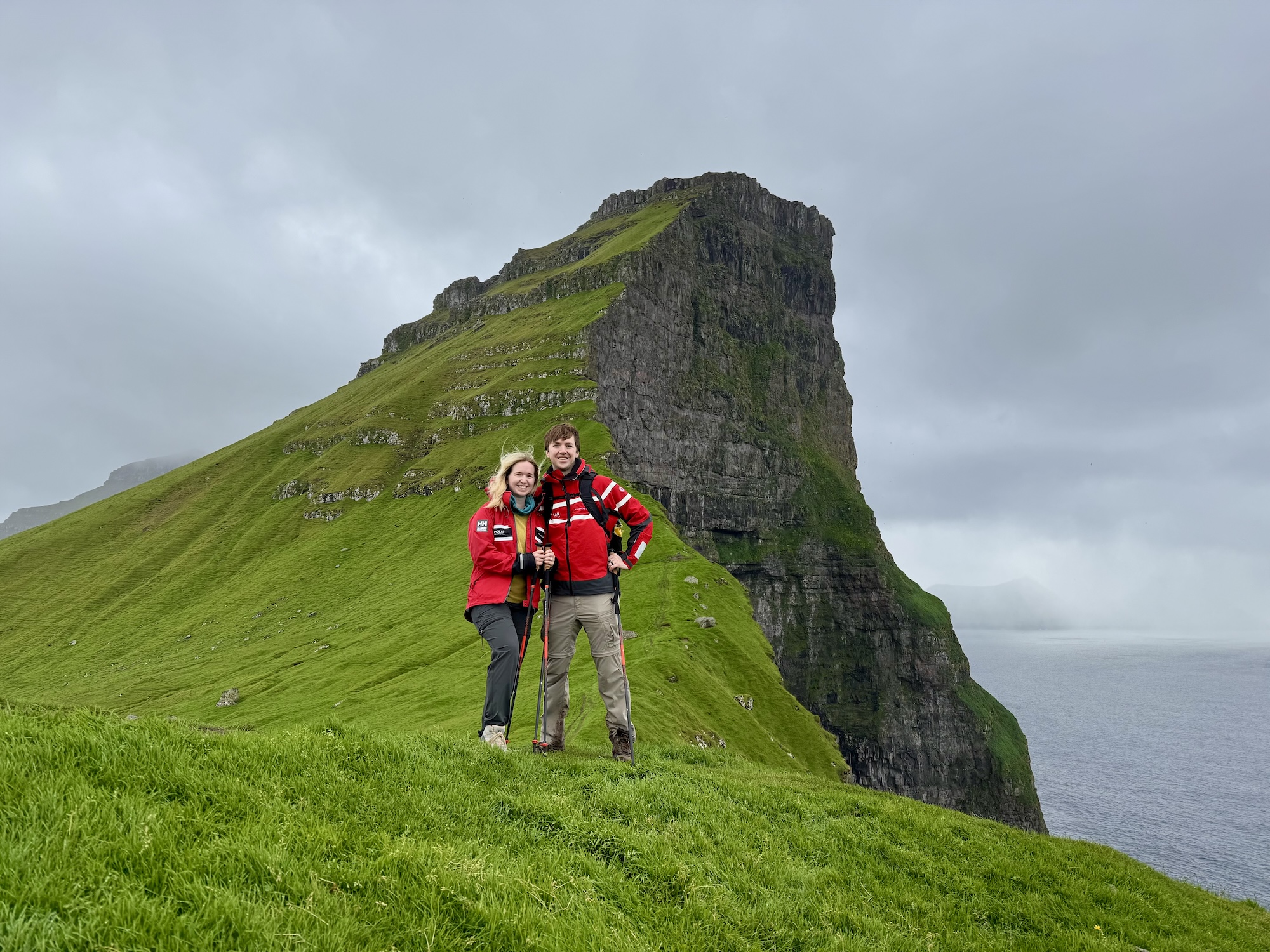
Getting to the lighthouse is a bit of a hike. When we were there, the path was about half paved, but the owner is working to finish the path soon. In fact, if you hike it on your own, you need to pay a 200DKK entrance fee (payable in the town) and that money goes towards things like paving the path!
The tour also included a stop at the famous Seal Woman Statue, which has a fascinating mythology behind it. We also got to see the small puffin colony in Trøllanes that sits just below an Airbnb you can stay in!
Gjórv
After you arrive back in Klaksvík, drive to the town of Gjórv. The name translates to “gorge” and it’s very obvious why they named the town that – there’s a giant gorge running through the town! You can walk around the gorge and the rest of the town in about 30-45 minutes before continuing on. If you’re peckish, grab a snack at Gjáarkaffi.
The Giant and the Witch
The Giant and the Witch (Risin og Kellingin) are a pair of sea stacks with a story behind them. Click here to read the whole mythology behind them. To view these stacks, head to this viewpoint for a quick stop and photo op before going back to Tórshavn.
Dinner at Katrina Christiansen
For your final dinner in the Faroe Islands, head back to the old part of Tórshavn for dinner at Katrina Christiansen. Another multi course affair, this was my husband’s favorite meal of the trip!
Day 5
Just because it’s the last day of your trip doesn’t mean you can’t pack in a few more sights! If you have an afternoon or evening flight, hop in the car and hit the road for a few hours of fun before you leave.
Fossá Waterfall
The first stop of the day is Fossá, the highest waterfall in the Faroe Islands. It’s a beautiful multi-level waterfall on Streymoy Island that spans a height of 459ft (140m). Although parking is a just a small pull off on the roadside, we had no issues finding a spot. In fact, we had the entire waterfall to ourselves, which made it more special to soak in the beauty.
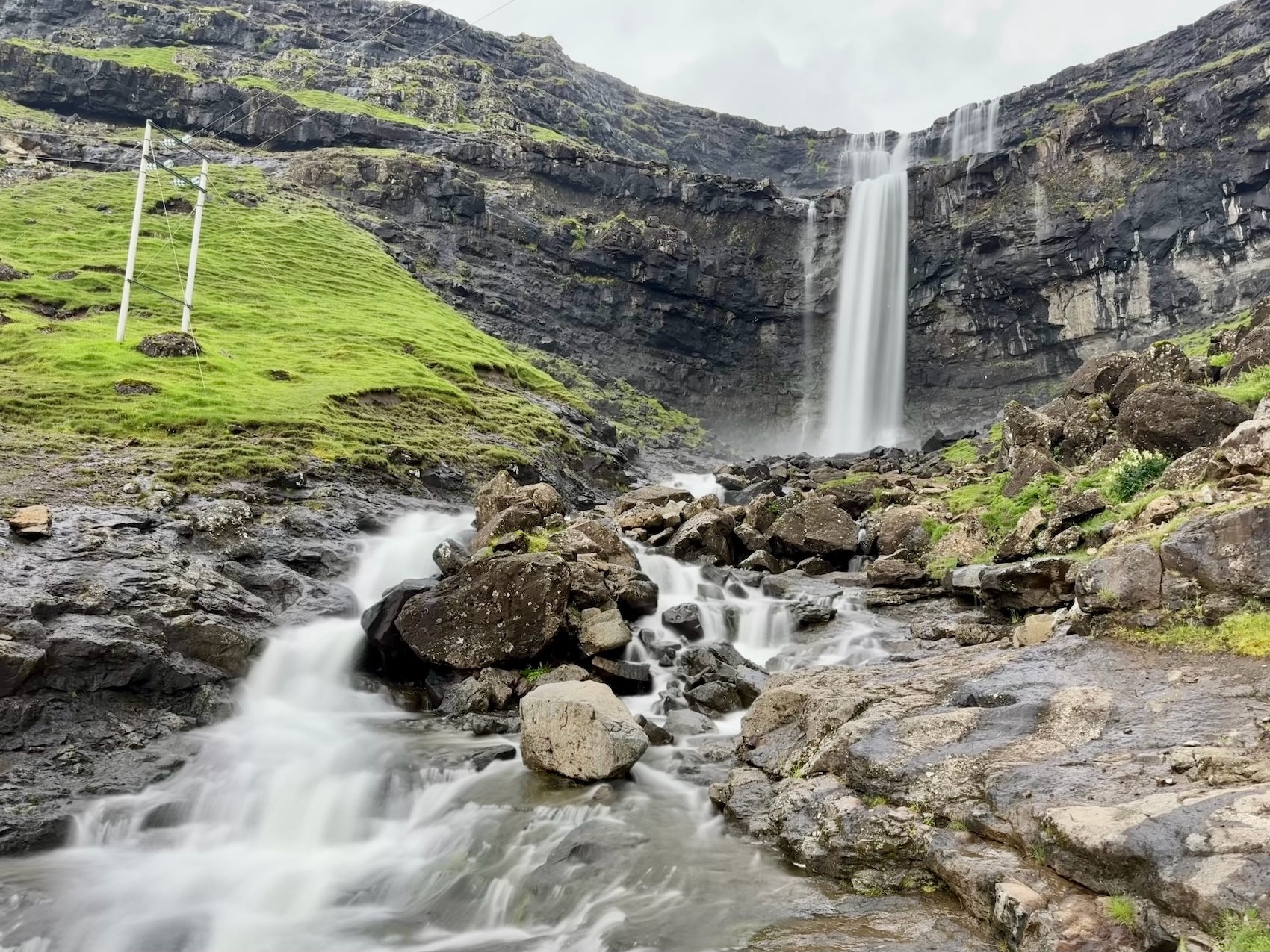
The waterfall is entirely free to visit and can be seen directly from the road – no hiking necessary. There’s even a picnic table, so bring a snack and enjoy the view!
Trælanípan & Bøsdalafossur (“Hanging Lake”)
One of the most internet-famous spots in the Faroe Islands has to be the optical illusion of the lake Sørvágsvatn “hanging” over the ocean. Conveniently, this spot (Trælanípan) is located near the airport, making it the perfect place to finish your trip.
This spot is known by a couple different names, but don’t let that confuse you. Just click the Google Maps links below to find your way to the right spots. There’s a large parking lot at the entrance, so you should have no trouble finding a spot. Like the other hikes in the Faroes, this one has an entry fee of 200DKK/person, but you can pay by card if you like.
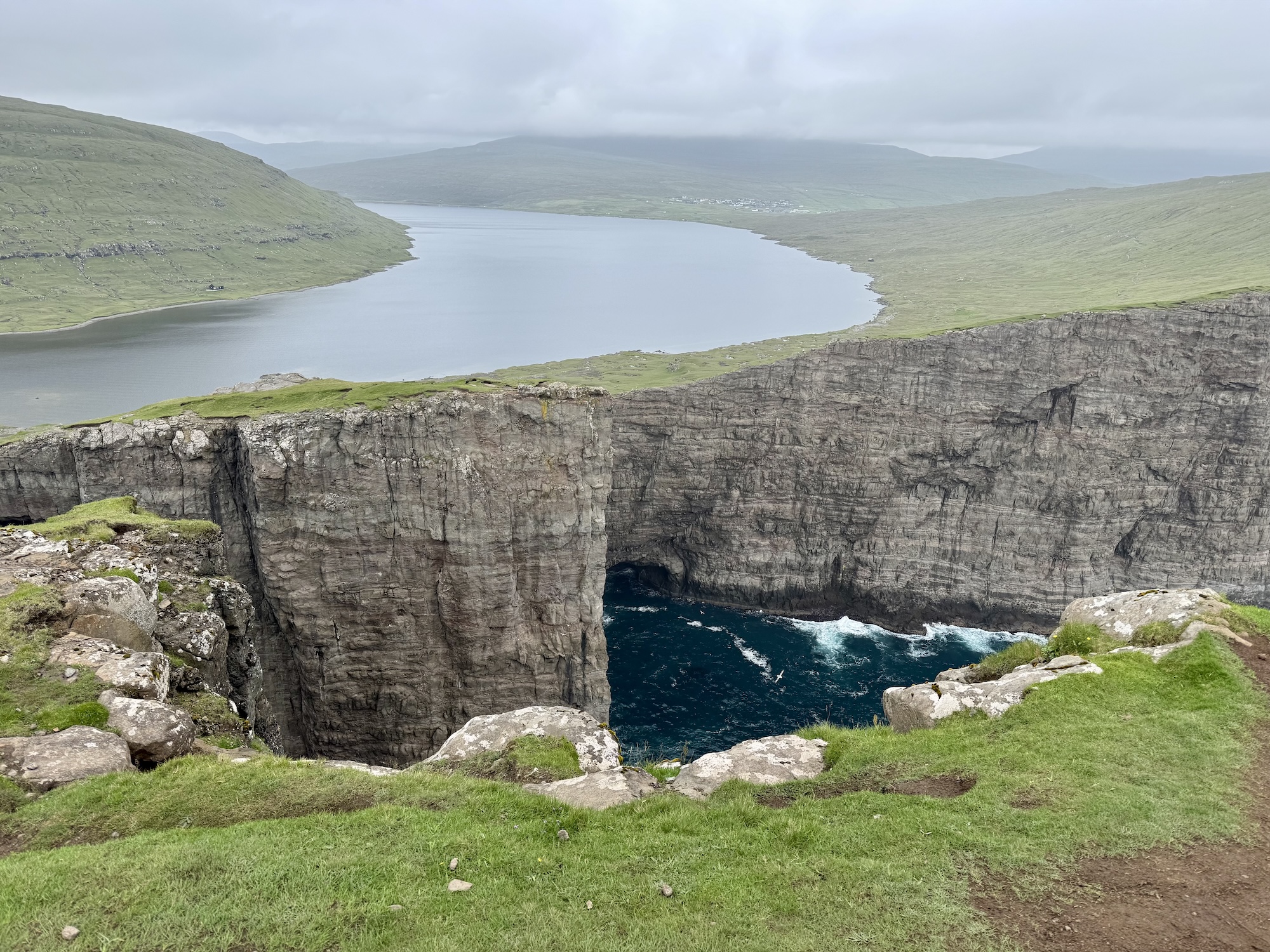
The hike is an easy 4 miles out-and-back. The trail is well maintained and relatively flat until you get to the viewpoint at Trælanípan. The best viewpoint of the hanging lake is actually not all the way at the top of the cliff, but actually about halfway up. From the top you can’t see the ocean below the cliffs. Be extremely careful near the cliff edge – there are no railings!
After you see the optical illusion, you can head back down the hill to see the waterfall where the lake drains into the ocean before making your way back to the car.
Resources:
OR let your car decide your itinerary 🚗
In 2025, the Faroe Islands tourism board partnered with rental car company 62N to create self-navigating cars that take you to explore the lesser-visited parts of the Faroes. This initiative is intended to reduce the stress of tourism throughout the islands.
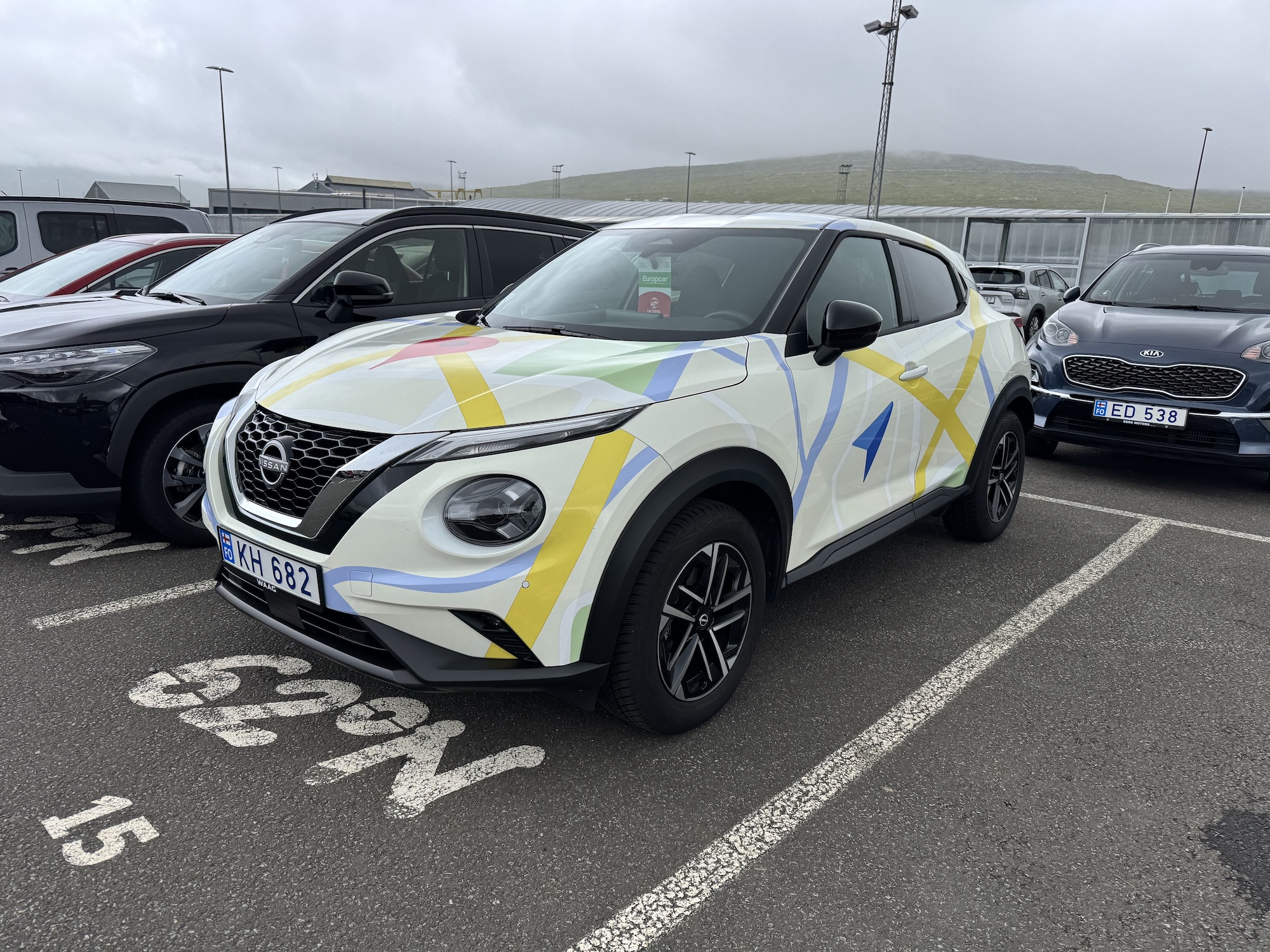
It appears the initiative is seasonal during the summer months, but look for more information and updates on https://www.selfnavigatingcars.com/
Miscellaneous Tips for the Faroe Islands
- Every town has free bathrooms and they’re clean, heated, and well stocked!
- Danish Kroner (DKK) is official currency but they have their own Faroese currency as well and both are accepted.
- Other guides may encourage you to visit Saksun. I say skip it, especially if you can only go mid-day. It’s incredibly crowded and the 2-way single-track road leading in and out is a nightmare. On top of that, it’s a recreation of an old town, so it feels more touristy than authentic.
- Gas station ice cream is a big thing here, so make a stop and try some!
- The weather changes constantly and it varies a lot from one part of the archipelago to another because of many microclimates, so you can drive around and chase the sun. Always bring a rain coat!
Final Thoughts
The Faroe Islands is the only place I’ve ever visited that felt like the definition of a hidden gem. As much as I’d selfishly like to keep this place to myself, I also want to share the charm of this archipelago with anyone and everyone.
Be sure to save this post for future planning!
You may also like: